
Inflammating: silent inflammation that accelerates our aging
What is inflammaging? Find out how this invisible chronic inflammation accelerates aging and how to effectively reduce it.
And if your body was burning... You don't know? No visible infection, no acute pain, no fever. It's just a light, discreet, permanent, deep-covered fire.
This phenomenon has a name:inflammating. It is one of the best documented mechanisms of aging, and understanding how it works is a key step in caring for its health in the long term.
What exactly is inflammaging?
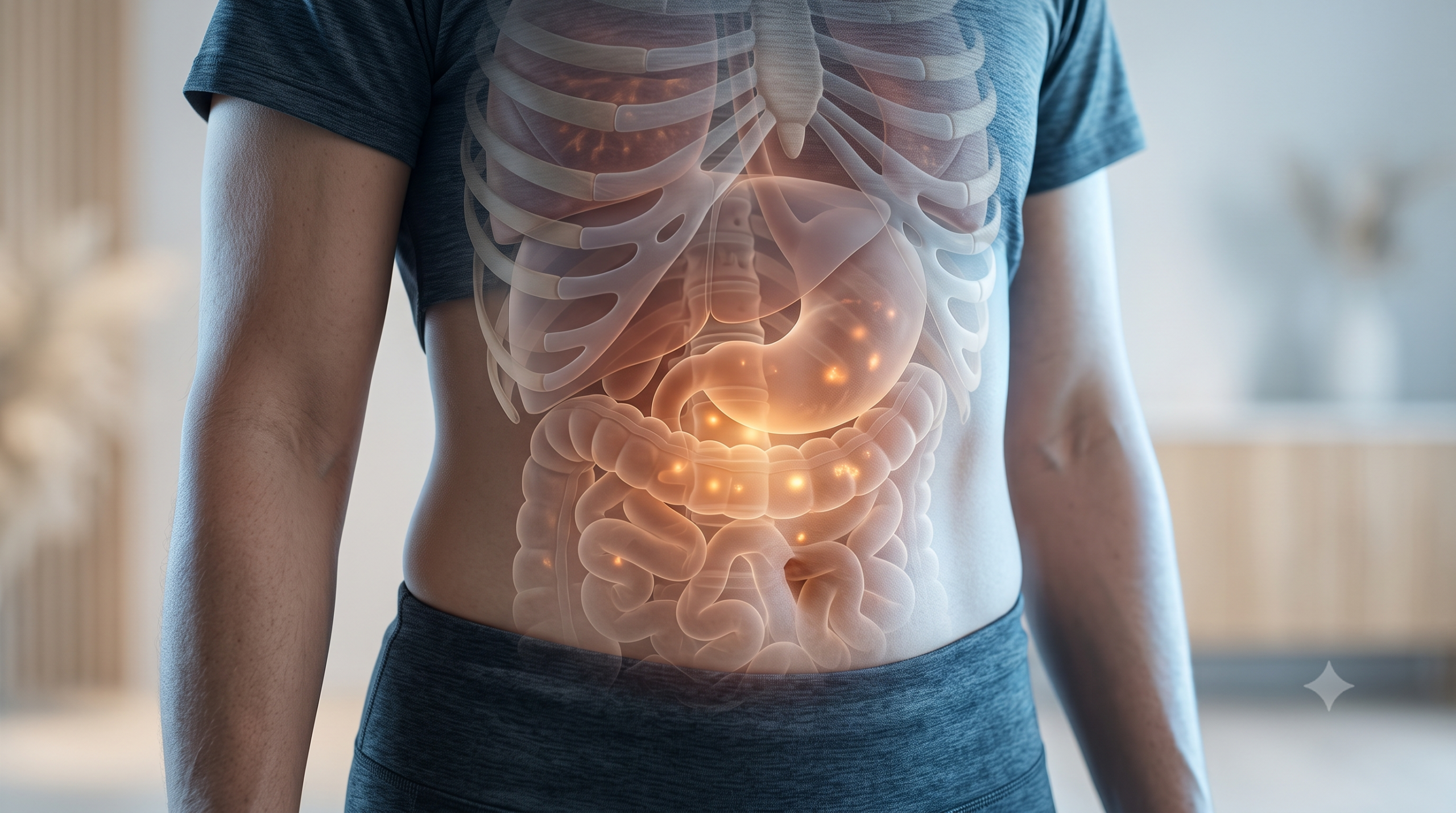
The term « inflammating » is a contraction of English words inflammation and aging (ageing). It refers to a chronic, low-intensity inflammatory state that gradually settles into the body as it ages. — without a particular infection or injury being the cause.
Unlike inflammation « useful » that you feel when you hurt yourself (redness, heat, pain), inflammaging is:
- Silent : it does not cause any symptoms identifiable daily
- Chronic : it settles over years, even decades
- Systemic : it affects the whole body, not a single organ
This phenomenon was first described in the early 2000s by Claudio Franceschi, and is now recognized as one of the 12 major fundamental mechanisms of aging, as is the shortening of telomeres or mitochondrial decline.
Why is it important to your health?
The inflammaging is not an abstract scientific curiosity. Its concrete health consequences are well documented:
- Cardiovascular diseases : it accelerates plaque accumulation in the arteries, stiffens blood vessels and promotes hypertension
- Neurodegenerative diseases : it maintains a chronic brain inflammation involved in the development of Alzheimer and Parkinson
- Type 2 diabetes : inflammatory molecules disrupt the body's response to insulin, aggravating the resistance to sugar
- Muscle loss (sarcopenia) : it gradually degrades muscles and bones, accelerating the muscle melting due to age
- Cancer : it creates a local environment in tissues that promotes tumor development
In short: inflammaging is a silent accelerator of most chronic diseases associated with aging.
Four sources that feed this inner fire
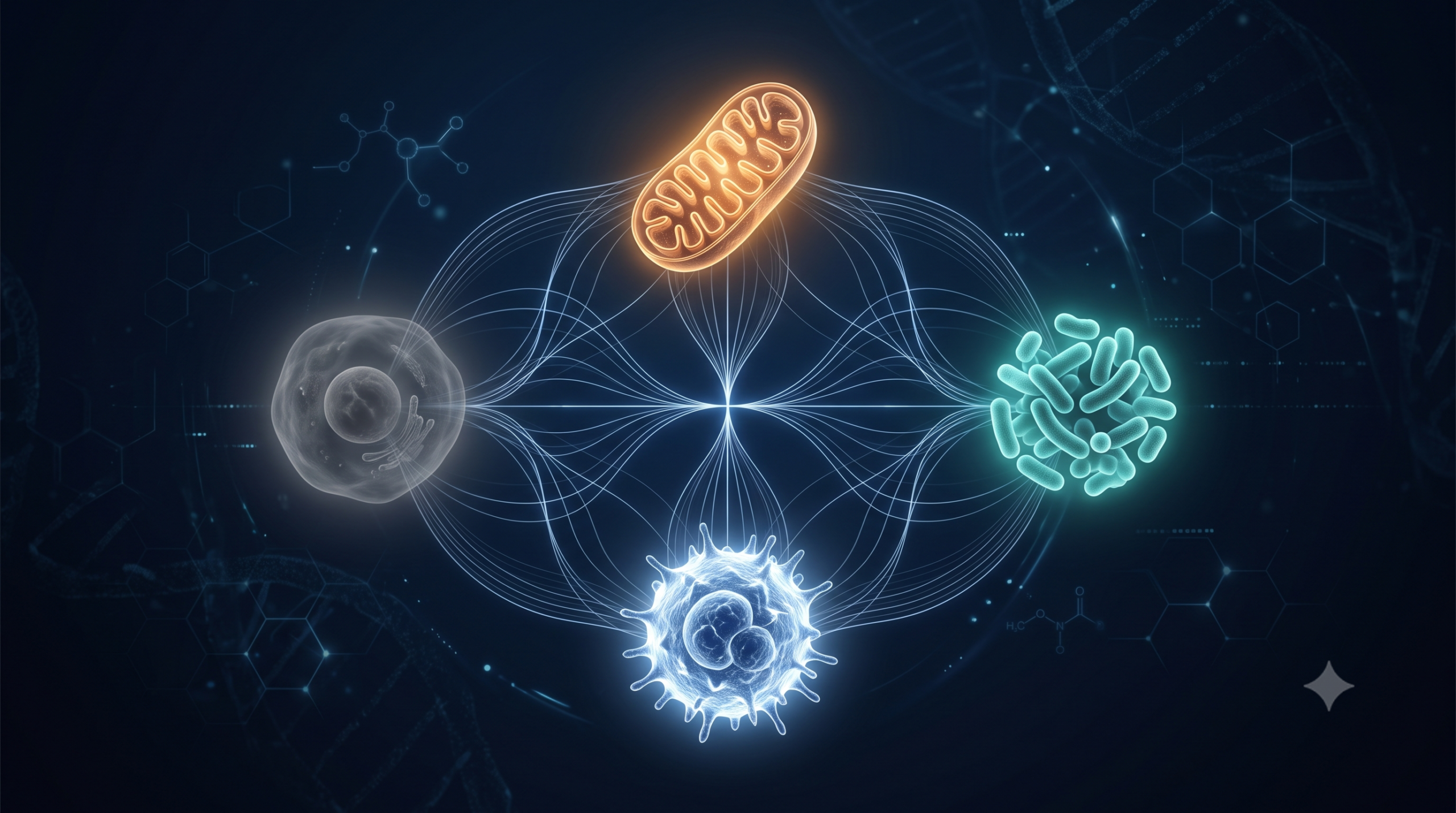
I'm not a single cause. It results from the interaction between four main sources which are mutually reinforcing.
1. The decline in « power plants » : mitochondria
Mitochondria are the small energy plants in each cell. With age, they work less and less well. This decline results in overproduction of free radicals (unstable molecules that damage cells), and release molecular debris that the immune system recognizes as danger signals — triggering an inflammatory reaction.
This mechanism is considered one of the most fundamental, as it potentially affects all cells the organism and directly feeds other sources of inflammaging.
2. Intestinal, intersection of inflammation
The intestinal microbiota — All the billions of bacteria that live in our intestine — changes with age. A reducing microbial diversity, a decrease in good protective bacteria and an increase in pro-inflammatory bacteria. This imbalance is called the dysbiosis.
In parallel, the intestinal wall becomes more permeable with age. Bacterial fragments then escape into the bloodstream and continuously activate the immune system — a phenomenon sometimes called« leaking intestine » (leaky gut). Studies have shown that a fat-rich diet can double to triple levels of bacterial toxins in the blood, directly contributing to insulin resistance.
The good news? The intestinal microbiota is the source of inflammaging more accessible to interventions the way of life.
3. Aging of the immune system
Our immune system is also aging. This aging, called immunosenescenceis characterized by a reduction in the production of new immune cells and an accumulation of immune cells « exhausted », unable to respond effectively to threats.
As a result, the body gradually loses its ability to control inflammation, remove damaged cells and neutralize problematic intestinal bacteria. Immunosenescence is both a cause and amplifier from all other sources of inflammaging.
4. The « zombie cells » : cell senescence
It may be the most surprising source. With age, some of our damaged cells stop dividing but refuse to die. They persist in the tissues, metabolically active, and continuously secrete a cocktail of inflammatory molecules in their immediate environment. Scientists call them senescent cells, but the image of the « zombie cell » perfectly sums up their behavior: dead for reproduction, but well alive for inflammation.
These cells generally represent less than 5% of tissue cells, but their impact is disproportionate in relation to their number: each zombie cell can contaminate its neighbours and maintain lasting local inflammation. They accumulate more in some tissues such as visceral adipose tissue (deep abdominal fat), where they contribute directly to insulin resistance.
These four sources do not add up: they multiply
An essential point to understand: these four sources do not operate independently. They interconnect in feedback loops self-maintenance and expansion.
For example:
- Mitochondrial dysfunction generates free radicals that damage cells → these cells become senescent
- Senescent cells release inflammatory molecules → which worsens intestinal dysbiosis
- Dysbiosis weakens the intestinal barrier → which over-activates the immune system → which accelerates its aging
- Immunosenescence reduces the ability to remove zombie cells → which accumulate more
It's a vicious circle self-maintenance and worsening gradually. This is also why the most promising therapeutic approaches target several of these axes simultaneously.
How to measure inflammaging?
Biological markers are used to assess the degree of inflammaging in the organism:
- CRP ultrasensitive, IL-6, TNF-α : circulating inflammatory molecules that reflect the overall inflammatory state
- Plasma LPS : an indicator of intestinal permeability and metabolic endotoxaemia
- circulating mitochondrial DNA : a reflection of the dysfunction of mitochondria
- Circulating SASP factors (GDF-15, PAI-1, CXCL9, IL-1α): senescent cell load markers
These biomarkers are now used in preventive medicine and aging medicine approaches to identify risk profiles.
What strategies to slow down inflammaging?
Current scientific research converges towards approaches multimodal, i.e. acting on several axes at the same time.
Acting on mitochondria
- Physical exercise and intermittent fasting stimulate the elimination of defective mitochondria (a process called mitophage)
- Precursors of NAD+ such as NMN or NR help restore good mitochondrial functioning
Take care of its microbiota
- Adopt a Mediterranean food high in fibre and polyphenols
- Promote probiotics (Lactobacillus, Bifidobacterium) and prebiotics (food fibre)
- Limit ultra-transformed diet, alcohol and anti-inflammatory abuse, which compromise the intestinal barrier
Supporting the immune system
- Moderate physical exercise and caloric restriction have shown beneficial effects on immune aging
Reduce the load to senescent cells
Molecules called senolytics (whose dasatinib + quercetin combination is the most studied) are under clinical evaluation to selectively remove zombie cells. The Rapamycin and metformin are also studied for their ability to modulate the inflammatory behaviour of these cells.

What to remember
Inflammaging is a complex biological reality, but its practical implications are clear:
- It is multicausal : no single source explains everything, and precisely why global approaches are the most effective
2. Mitochondria are at the heart of the process : their good functioning largely conditions the overall inflammatory state
3. Microbiote is your most accessible lever : diet, lifestyle and stress management have a direct and measurable impact
4. Zombie cells amplify the problem : minority in number, they have a far greater inflammatory impact than their proportion suggests
5. The approaches must be multimodal : it is by acting simultaneously on several axes that the most significant results are obtained
Inflammating is not fatal. Understanding the mechanisms behind it is already building capacity — in an informed, progressive and coherent way with a lifestyle oriented towards sustainable health.
__________________________
Food, physical activity, recovery... To act against inflammaging is to adopt a comprehensive approach. Our health and sports experts help you build the right habits, lasting. Make an appointment to discuss it.
@Lonhea – Patented Method

