
Spiral Movements vs. Linear Movements: Why Focus on Spiral for Global Health?
There are many choices of movement in rehabilitation, performance and prevention, but not all are worth it. Spiral movements, in contrast to linear movements, provide superior neurobiological, facial, autonomous and immunometabolic benefits.
Find out why it is relevant to integrate these multidimensional movements into your sessions and how this can transform global recovery and balance.
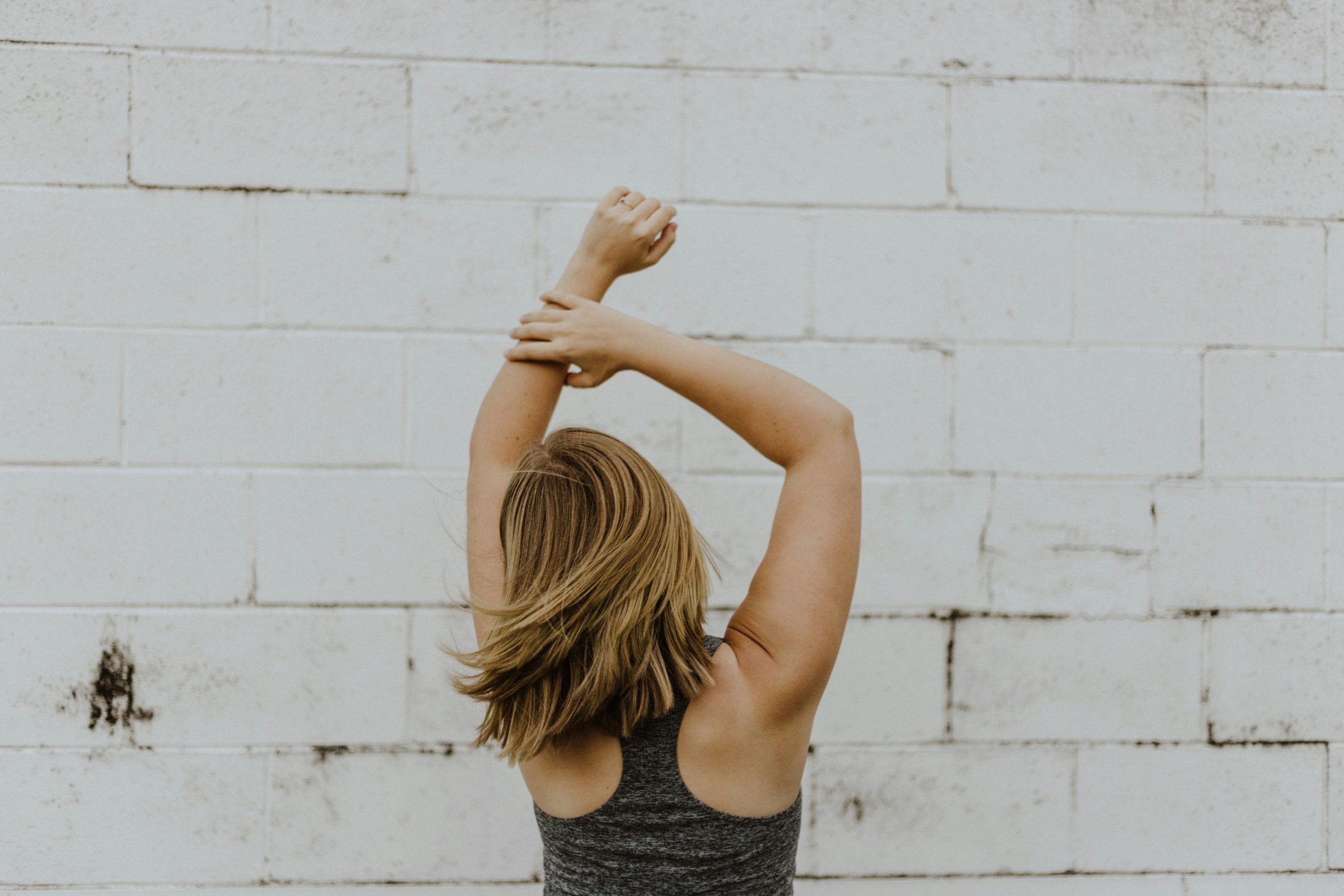
What is a spiral movement?
The spiral movement integrates a progressive and controlled winding-derosion, in direct opposition to the isolated linear movement. He solicits the body in all dimensions through synergistic orchestration of muscle, fascial, neuromotor and sensorimotor networks.
The six pillars of spiral superiority:
- Ineuromotor integration 3D: promotes balance, coordination and overall strength.
- Helical fascial networks: facilitates the transmission of forces and stabilizes hemicorps.
- Sensory amplification: increases the stimulation of the mecano-receptors.
- Vestibular commitment: intensely stimulates the dynamic postural balance.
- Increased neroplasticity: accelerates cortical reorganization and motor learning.
- Autonomous modulation: optimizes both the vagal tone and the sympathetic-parasympathetic balance.
Why Linear Movements Are Less Effective
Linear movements only partially activate systems essential for adaptation and recovery. They are mainly limited to a single plan, resulting in an overall loss of efficiency of approximately 66%, or a third of the performance of the spiral patterns.
Observed limits:
- Low activation of fasciae and sensory receptors.
- Lack of vestibular stimulation (balance).
- Mitochondrial activation and suboptimal metabolic adaptation.
- Additional energy cost from 30 to 50% for a lower functional result.
Clinical evidence shows a clear superiority of spiral and multiplane protocols over pain, performance, neuroplasticity, and post-lesional recovery, compared to conventional linear exercises.
Cellular mechanisms and tissue effects of the spiral cycle
The winding/rolling cycle produces:
- Spiral contraction favouring activation of deep tissue receptors, synthesis of new extracellular matrix and controlled release of repairing mediators.
- A progressive stretching essential to restore facial slip, improve postural balance, mobility and promote dynamic flexibility.
All optimized by intelligent management of breathing and rhythm, allowing complete physiological adaptation: modulation of the autonomous nervous system, anti-inflammation, increased synaptic plasticity and restoration of long-term motor function.
Practice: Clinical Integration Guide
Integrate spiral movements, follow these key recommendations:
- Favour PNF D1/D2 patterns with rewind/respiration cycles.
- Innovate with multi-planar tasks and graduate postural challenges.
- Respect progressivity and tissue tolerance, and avoid non-functional passive stretching.
• Structure your sessions around load-releasing-dynamic stretching cycles.
For who? Priority targets
- Chronic pain and stiffness
- Postural and stability disorders
- Post-loin recovery
- Need for improvement of autonomous variability (HRV)
Conclusion
Prioritizing spiral movements in kinesitherapy or training is to activate complementary neuro-fascial-autonomous mechanisms, inaccessible by strictly linear movements. This approach maximizes recovery, performance and adaptation, while minimizing the metabolic incremental costs and the risk of stagnation.
__________________________
@Lonhea – Patented Method

