
Stretching: Understanding and Practice
This month, let's dive into the world of stretching. Let us discover its different types, its benefits and how to integrate it into your routine in order to sustain your health.
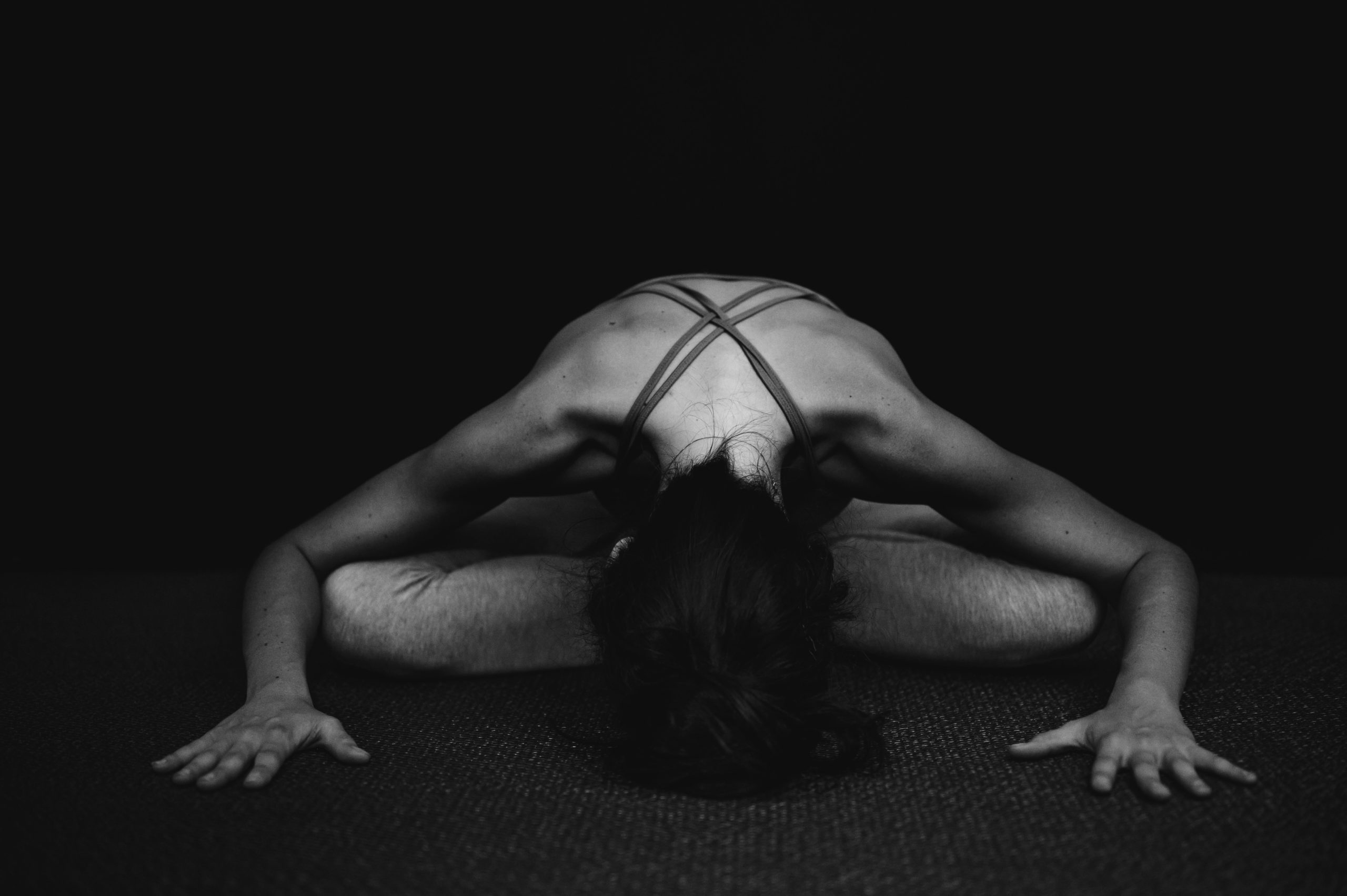
. What is stretching?
Stretching, also known as stretching, is the tensioning of a muscle to release it gradually. The goal is to remove the attachment points from the muscle in order to stretch.
To make several structures activate around stretching: fibrous muscle structures and fascia.
. The Fascias, quesaco?
The muscle and fibrous structures of the muscle are surrounded by a whitish envelope and it is this envelope, long neglected, which is called fascias. It is therefore this envelope that we will seek to stretch to reach muscle fibers. Take the example of a letter: you first have to open the envelope to read the letter; First, you have to stretch the fascia to stretch the muscle.
Stretching is therefore a form of fasciatherapy designed to release passive muscle structures (fascias) to reach active structures (fibrous muscle structures).
. Is there a difference between fascia stretching and muscle stretching?
Muscle stretching helps to obtain muscle relaxation, defatigate, improve tissue vascularization and allows muscle recovery. Its activation is done through active muscle mobilization. Example: a dynamic warm-up before a running.
Stretching the fascias makes it possible to gain joint and global mobility. He's using proprioception. The stretching of fascias can also help in the preparation of a sporting act. Its activation will be done by a stretch held and moving to stretch different planes by changing orientations and amplitudes.
What should be retained in the 2 stretchings is the three-dimensional aspect. Indeed, it is important to stretch in motion and on different planes by changing orientations and amplitudes.
This is even more important for stretching fascia that they are multi-directional. All the fascia of the body are connected, we also talk about « chain ».
In terms of duration, muscle stretching lasts about 20 seconds while fascia stretching lasts between 2 and 3 minutes.
. Who needs stretching?
Stretching is designed for everyone according to their needs and abilities. It is even more recommended to practice stretching for people with short muscles, this will allow in the long term normalization of muscle length. People with shortened muscles account for about 80% of the population.
. When do we have to stretch?
Before effort, just after effort or the next day? It is important to customize the practice of stretching by being attentive to your feelings and needs at instant T. A weekly program can help with recovery, some people even recommend stretching before sleeping in order to promote better sleep.
The use of accessories like a roller can help to intensify stretching if the need arises.
The ideal moment for stretching is therefore variable and unique to each.
. Performance and Stretching?
Stretching can improve performance and strength, as studies have shown.* comparing people practicing muscle building alone, and those combining stretching and strengthening.
Stretching also promotes vascularization and drainage by breaking the fibrous tissue and thereby eliminating metabolic waste in the muscles after exercise.
. Stretching and Health?
There are different types of stretching, but the one that is crucial for health is the stretching of fascia. It helps normalize muscle lengths and restore adequate joint balance.
This type of stretching is used by physical preparers when they want to associate work on proprioception with their session.
The therapists, on the other hand, essentially do proprioception by manual fasciatherapy, joint manipulation and vibration.
Thus, the role of physical preparers and therapists is complementary.If we take the example ofDeconditioned people, who no longer have the sense of balance, the work of therapists is first and foremost the most important to stimulate the brain passively and then the preparers will take over to work on the active structures.
. Breathing and Stretching
When we talk about breathing in the context of stretching, there is a common phenomenon called paradoxical breathing. It translates into a belly that deflates with inspiration and inflates with exhalation (in contrast to its movement in normal time, then indirectly driven by the diaphragm). The paradoxical respiration then indicates a dysfunction of the diaphragm and usually involves the use of accessory respiratory muscles (such as neck muscles).
These people lost that sync. We have to re-educate these people, give them a proper respiratory coordination, teach them how to use their diaphragm correctly, stop contracting the top, it will change their lives!
As part of stretching, it is essential to pay attention to normal breathing: completely empty the bag to fill it completely. Each complete breath (over a decade of seconds) allows you to relax and go further at each expiration. When stretching a muscle, it is important to blow to release tension.
If, on the other hand, you are in an inspirational phase, the fascia system will become more popular; It is therefore counterproductive to want to stretcher during an inspirational phase.
Breathing is also a good way to have parasympathetic activity. Not all stressed people are able to breathe properly and this is how stretching comes into play: it helps them to slow down the pace, to go slowly, to make them feel and to make them aware of their breathing. Breathing in the stretching acts on the autonomous nervous system and thus reduces the parasympathic tension because remember: muscle tensions are of central origin, they are not local. What happens at the muscle level is ordered from the top, from the brain.
. Conclusion
Le stretching of fascias is an essential approach to freeing deep muscle tensions and to promote better joint mobility. By combining adequate breathing and proprioception, it offers benefits for both sports performance and general health. Integrate stretching into your daily routine can thus contribute to an optimal balance of body and mind, offering relaxation and injury prevention.
__________________________
Studies: G. Cometti Performance Expert Centre
@Lonhea – Patented Method

